
Choosing the right roller shell is just as important as selecting the correct ring die. In pellet production, the roller shell affects material feeding, traction, pellet quality, die wear and overall pellet mill performance.
Different raw materials and operating conditions may require different roller shell surface patterns. Dimpled, corrugated, helical and other designs provide different levels of grip, feeding behavior and wear characteristics.
In this guide, we compare the common types of pellet mill roller shells and explain how to select a suitable design based on raw material, pellet application and operating conditions.
Looking for replacement roller shells? Explore our pellet mill roller shells for feed and biomass pellet applications.
Table of Contents
- What Is a Pellet Mill Roller Shell?
- What Are the Common Types of Pellet Mill Roller Shells?
- Pellet Mill Roller Shell Type Comparison
- How to Choose a Pellet Mill Roller Shell Based on Material Type
- Key Factors to Check Before Selecting a Roller Shell
- Is Roller Shell Type the Only Factor?
What Is a Pellet Mill Roller Shell?
A roller shell is one of the key wear parts of a pellet mill. It works together with the ring die to grip and press raw material into the die holes to form pellets.
The surface pattern of the roller shell influences material traction and feeding behavior. Choosing a suitable roller shell can help support stable pellet production, reduce slippage and contribute to more consistent wear between the roller shell and ring die.
What Are the Common Types of Pellet Mill Roller Shells?
Pellet mill roller shells are available with different surface designs to meet different production requirements. Common designs include dimpled, end-open corrugated, end-closed corrugated, inclined or helical corrugated, fishbone, curved corrugated, and combined corrugated-and-dimpled surfaces.
The suitable design depends not only on the raw material, but also on factors such as moisture, pellet size, ring die specification, machine model and operating conditions.
Dimpled (Honeycomb) Roller Shell
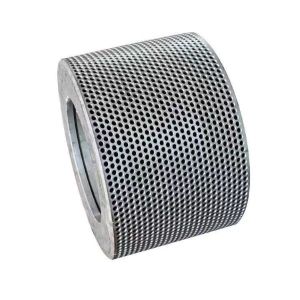
What it is: A roller shell with small round dimples on the working surface to increase traction.
Typical applications: Medium-fiber feed, selected biomass materials and some wood pellet applications.
Key benefits:
- Helps reduce roller slippage
- Provides relatively even surface contact
- Can support stable material feeding
Considerations: May be less suitable for some very fibrous or coarse materials where stronger mechanical grip is required.
End-Open Corrugated Roller Shell
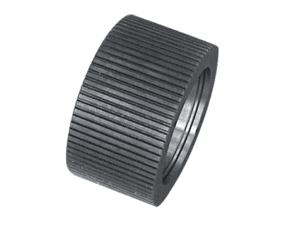
What it is: A corrugated roller shell with grooves extending to the open ends.
Typical applications: Fibrous materials such as livestock feed, ruminant feed and selected biomass applications.
Key benefits:
- Provides strong traction for difficult-to-feed materials
- Can help improve material feeding
- May help reduce material accumulation in some applications
Considerations: Edge wear should be monitored, especially when material distribution or roller adjustment is uneven.
End-Closed Corrugated Roller Shell
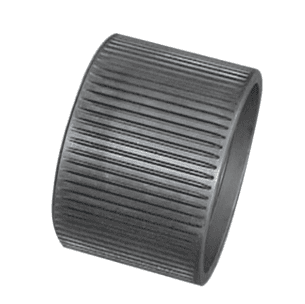
What it is: A corrugated roller shell with closed ends that help retain material within the working area.
Typical applications: Aquatic feed, poultry feed and other relatively fine feed formulations.
Key benefits:
- Helps reduce material leakage at the roller edges
- Supports more controlled material feeding
- Can contribute to more consistent pellet formation
Considerations: The closed ends should be checked and cleaned regularly to avoid material buildup.
Inclined (Helical) Corrugated Roller Shell
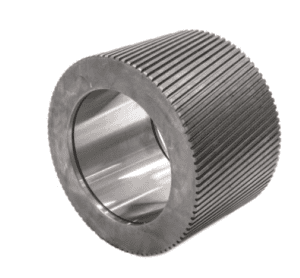
What it is: A roller shell with angled or helical grooves designed to guide material across the working surface.
Typical applications:
- High-fiber cattle and sheep feed
- Selected biomass pellet applications
- Coarser raw materials requiring stronger feeding action
Key benefits:
- Helps guide material during feeding
- Provides strong traction
- Can improve feeding efficiency in suitable applications
Considerations: Depending on the material and operating conditions, helical designs may increase friction, wear or power demand.
Fishbone Corrugated Roller Shell
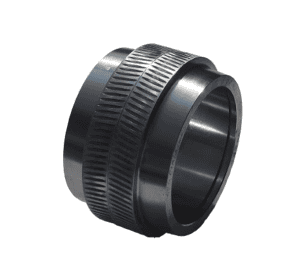
What it is: A roller shell with fishbone-shaped groove patterns.
Typical applications: Various feed formulations and mixed-material applications.
Key benefits:
- Versatile surface design
- Provides balanced material guidance and traction
- Can support stable feeding in mixed applications
Considerations: For highly fibrous materials, a stronger corrugated pattern may sometimes provide better grip.
Curved Corrugated Roller Shell
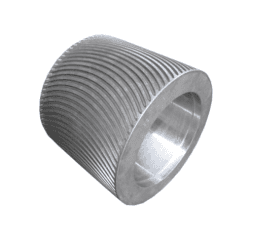
What it is: A roller shell with curved groove patterns designed to provide smooth material guidance.
Typical applications:
- Selected biomass materials
- Hard or dense raw materials
- Applications requiring stable material movement
Key benefits:
- Provides smooth material guidance
- Can support consistent feeding
- May help reduce sudden material movement
Considerations: Very sticky materials may require a different surface pattern to reduce buildup.
Corrugated and Dimpled Roller Shell
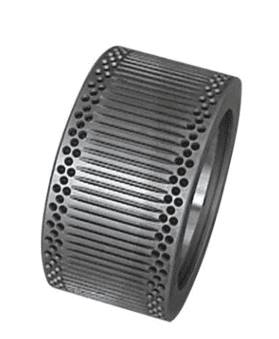
What it is: A combined surface design using both grooves and dimples.
Typical applications:
- Moist or slippery feed materials
- Grass-based materials
- Selected biomass applications
Key benefits:
- Combines groove traction with dimpled surface grip
- Can help reduce slippage
- Supports stable feeding in suitable applications
Considerations: For extremely fibrous materials, a more aggressive corrugated design may sometimes be more suitable.
Pellet Mill Roller Shell Type Comparison
| Roller Shell Type | Surface Features | Typical Applications | Key Benefits | Considerations |
|---|---|---|---|---|
| Dimpled (Honeycomb) | Small dimples | Medium-fiber feed, selected biomass | Good traction; stable feeding | May be less suitable for very fibrous materials |
| End-Open Corrugated | Straight grooves with open ends | High-fiber and rough materials | Strong grip; good feeding action | Edge wear should be monitored |
| End-Closed Corrugated | Straight grooves with closed ends | Aquatic and poultry feed | Reduced edge leakage; controlled feeding | Material buildup may occur at the ends |
| Inclined (Helical) Corrugated | Angled grooves | Fibrous feed and selected biomass | Strong traction; material guidance | May increase friction or wear |
| Fishbone Corrugated | Fishbone-shaped grooves | Mixed and multipurpose feed applications | Balanced feeding; versatile design | May provide less grip for very fibrous materials |
| Curved Corrugated | Curved grooves | Hard or dense materials | Smooth material guidance | May be less suitable for very sticky materials |
| Corrugated + Dimpled | Grooves and dimples | Moist or slippery materials | Combined grip; reduced slippage | May be less effective for extremely fibrous materials |
Want to compare available designs in more detail? Learn more about our custom pellet mill roller shells for different feed and biomass applications.
The suitable roller shell type should be selected together with the ring die specification, raw material characteristics, moisture, pellet size and operating conditions.
How to Choose a Pellet Mill Roller Shell Based on Material Type
1. Medium-Fiber Feed
Examples: Grass powder, bran and similar feed materials.
Often suitable: Dimpled (Honeycomb) Roller Shell
The dimpled surface can provide sufficient traction while maintaining relatively smooth feeding. It is often selected for medium-fiber feed and some biomass applications.
2. High-Fiber, Rough or Fluffy Materials
Examples: Alfalfa, straw, palm fiber and other coarse materials.
Often suitable: End-Open Corrugated or Inclined (Helical) Corrugated
These designs provide stronger mechanical grip through straight, deep or angled grooves and can help feed difficult fibrous materials.
The final choice should still consider roller wear, power demand, ring die specification and actual material behavior.
3. Sticky or Moist Materials
Examples: Moist feed, grass-based materials and molasses-added formulas.
Often suitable: Corrugated + Dimpled Roller Shell
The combination of grooves and dimples can provide additional traction and help reduce slippage when processing moist or slippery materials.
4. Aquatic and Poultry Feed
Typical characteristics: Relatively fine, smooth and lower-fiber formulations.
Often suitable: End-Closed Corrugated Roller Shell
Closed ends can help retain material within the working area and support more controlled feeding. Regular cleaning is important to avoid buildup near the ends.
5. Hard or Dense Materials
Examples: Selected wood and dense biomass materials.
Often suitable: Curved Corrugated Roller Shell
Curved grooves may provide smoother material guidance and stable feeding in suitable high-load applications.
6. Mixed or Multipurpose Materials
Often suitable: Fishbone Corrugated Roller Shell
Fishbone patterns can provide a balanced combination of traction and material guidance, making them suitable for a variety of feed applications.
Roller Shell Selection by Material Type
| Material / Application | Common Roller Shell Options |
|---|---|
| Medium-fiber feed | Dimpled (Honeycomb) |
| High-fiber or coarse materials | End-Open Corrugated or Inclined Corrugated |
| Sticky or moist materials | Corrugated + Dimpled |
| Aquatic and poultry feed | End-Closed Corrugated |
| Hard or dense biomass | Curved Corrugated |
| Mixed or multipurpose materials | Fishbone Corrugated |
Key Factors to Check Before Selecting a Roller Shell
When selecting a roller shell, we normally consider several factors together:
- Raw material type
- Moisture content
- Pellet size
- Ring die specification
- Pellet mill model and operating conditions
Looking at these factors together is more reliable than selecting a roller shell only by surface pattern.
Is Roller Shell Type the Only Factor?
No. Even within the same roller shell type, detailed design parameters can significantly affect feeding behavior, traction and wear performance.
Important design details include:
- Tooth size or groove width
- Dimple diameter and spacing
- Groove angle and depth
- Surface hardness and wear resistance
- Matching between the roller shell and ring die
For example, fine grooves may be selected for some fine-feed applications, while wider or more aggressive grooves may be more suitable for fibrous biomass. Dimple size and spacing can also influence traction and friction.
Need Help Selecting the Right Roller Shell?
Hayne manufactures customized roller shells for feed and biomass pellet mills, with dimpled, corrugated, helical and other surface designs available according to machine model and operating requirements.
Send us your pellet mill brand, model, raw material and current roller shell specification, and our team can help evaluate a suitable replacement solution.